Genetic Modification Of Golden Rice / Scientific Principles - WELCOME - Golden rice is genetically modified in order to produce beta carotene, which is not normally produced in rice.. Beta carotene is convereted into vitamin a when metabolized by the human body. Among the methods considered for the transformation of rice were transformation by agrobacterium, electroporation, and microprojectile bombardment (techniques for genetically modifying plants, n.d.). Golden rice, which was developed in the hopes of combatting that problem by a team of european scientists in the late '90s, was genetically modified to provide an essential nutrient that white rice lacks: Lacking vitamin a can increase the risk of death from childhood illnesses and infections, too. Millions of people in asia and africa don't get enough of this vital.
Among the methods considered for the transformation of rice were transformation by agrobacterium, electroporation, and microprojectile bombardment (techniques for genetically modifying plants, n.d.). Golden rice was contributed by two german research team headed by potrykus of swiss institute of technology in zurich. Isagani serrano/international rice research institute hide caption Heralded on the cover of time magazine in 2000 as a genetically modified (gmo) crop with the potential to save millions of lives in the third world, golden rice is still years away from field introduction and even then, may fall short of lofty health benefits still cited regularly by gmo advocates, suggests a new study from washington university in st. Deficiency in this vitamin is a leading cause of preventable childhood blindness worldwide, with up to 500,000 children becoming blind every year.
GOLDEN RICE; The genetically modified crop in India from image.slidesharecdn.com Beta carotene is convereted into vitamin a when metabolized by the human body. At right, white rice grains. That has long been scientists' answer when asked about the approval of golden rice, a genetically modified (gm) crop that could help prevent childhood blindness and deaths in the developing world. Heralded on the cover of time magazine in 2000 as a genetically modified (gmo) crop with the potential to save millions of lives in the third world, golden rice is still years away from field introduction and even then, may fall short of lofty health benefits still cited regularly by gmo advocates, suggests a new study from washington university in st. Golden rice was engineered from normal rice by ingo potrykus and peter beyer in the 1990s to help improve human health. Beyer and potrykus developed golden rice by transferring phytoene synthase (psy) and carotene desaturase (crti) genes, found in both daffodils and maize, to rice. Genetic engineering provides one such solution to enhance the quality of our food. The team has engineered japonica rice variety by adding three genes, two of which are new to genetic engineering and are derived from daffodil (narcissus pseudonarcissus).
Millions of people in asia and africa don't get enough of this vital.
Golden rice is genetically modified in order to produce beta carotene, which is not normally produced in rice. These are precursors to vitamin a which is deficient in the diet. Peter beyer of the university of freiburg. The intention was to use this food to address vitamin a deficiency in poorer populations. Recent articles and statements from the uk environment minister and others raise some interesting issues with respect to genetically modified (gm) 'golden rice'. The main argument for supporting genetically modified rice is the many benefits the crop can gain from gene technology. That has long been scientists' answer when asked about the approval of golden rice, a genetically modified (gm) crop that could help prevent childhood blindness and deaths in the developing world. Heralded on the cover of time magazine in 2000 as a genetically modified (gmo) crop with the potential to save millions of lives in the third world, golden rice is still years away from field introduction and even then, may fall short of lofty health benefits still cited regularly by gmo advocates, suggests a new study from washington university in st. Among the methods considered for the transformation of rice were transformation by agrobacterium, electroporation, and microprojectile bombardment (techniques for genetically modifying plants, n.d.). Opponents of this strategy, including greenpeace, argue that golden rice and other genetically modified (gm) crops do not eliminate the true problem of poverty in the developing world. Lacking vitamin a can increase the risk of death from childhood illnesses and infections, too. Genetic engineering provides one such solution to enhance the quality of our food. The true story of the genetically modified superfood that almost saved millions the imperiled birth—and slow decline—of golden rice.
Golden rice was contributed by two german research team headed by potrykus of swiss institute of technology in zurich. Among the methods considered for the transformation of rice were transformation by agrobacterium, electroporation, and microprojectile bombardment (techniques for genetically modifying plants, n.d.). Golden rice is a covert attempt to win wider approval for genetically modified food and will not solve problems of malnutrition. Lacking vitamin a can increase the risk of death from childhood illnesses and infections, too. The first generation the first breakthrough in the development of golden rice was the result of a collaboration between peter beyer and ingo potrykus, and was obtained around easter 1999 (ye et al., 2000).
Arroz Dorado: ¿Por qué? ¿Dónde? ¿Cómo? » Sí Quiero ... from www.siquierotransgenicos.cl Beta carotene is convereted into vitamin a when metabolized by the human body. We need vitamin a for healthier skin, immune systems, and vision. The main argument for supporting genetically modified rice is the many benefits the crop can gain from gene technology. Recent articles and statements from the uk environment minister and others raise some interesting issues with respect to genetically modified (gm) 'golden rice'. Peter beyer of the university of freiburg. The team has engineered japonica rice variety by adding three genes, two of which are new to genetic engineering and are derived from daffodil (narcissus pseudonarcissus). We need vitamin a for healthier skin, immune systems, and vision. Unfortunately, agrobacterium does not readily interact with rice, creating an obstacle to its use in this scenario.
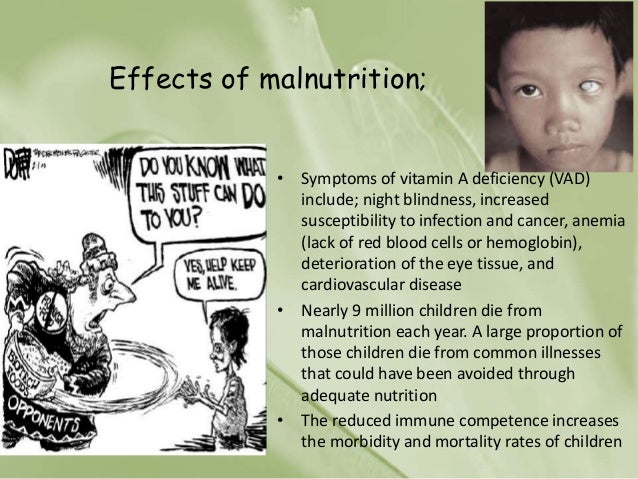
Deficiency in this vitamin is a leading cause of preventable childhood blindness worldwide, with up to 500,000 children becoming blind every year.
Golden rice was contributed by two german research team headed by potrykus of swiss institute of technology in zurich. Beyer and potrykus developed golden rice by transferring phytoene synthase (psy) and carotene desaturase (crti) genes, found in both daffodils and maize, to rice. Golden rice is genetically modified in order to produce beta carotene, which is not normally produced in rice. We need vitamin a for healthier skin, immune systems, and vision. Isagani serrano/international rice research institute hide caption Golden rice was engineered from normal rice by ingo potrykus and peter beyer in the 1990s to help improve human health. Lacking vitamin a can increase the risk of death from childhood illnesses and infections, too. The intention was to use this food to address vitamin a deficiency in poorer populations. Heralded on the cover of time magazine in 2000 as a genetically modified (gmo) crop with the potential to save millions of lives in the third world, golden rice is still years away from field introduction and even then, may fall short of lofty health benefits still cited regularly by gmo advocates, suggests a new study from washington university in st. The main argument for supporting genetically modified rice is the many benefits the crop can gain from gene technology. The team has engineered japonica rice variety by adding three genes, two of which are new to genetic engineering and are derived from daffodil (narcissus pseudonarcissus). Deficiency in this vitamin is a leading cause of preventable childhood blindness worldwide, with up to 500,000 children becoming blind every year. Beta carotene is convereted into vitamin a when metabolized by the human body.
Millions of people in asia and africa don't get enough of this vital. Golden rice was engineered from normal rice by ingo potrykus and peter beyer in the 1990s to help improve human health. The true story of the genetically modified superfood that almost saved millions the imperiled birth—and slow decline—of golden rice. Opponents of this strategy, including greenpeace, argue that golden rice and other genetically modified (gm) crops do not eliminate the true problem of poverty in the developing world. Beta carotene is convereted into vitamin a when metabolized by the human body.
Golden Rice Is a Sham GMO Invention from www.anh-usa.org Made to last longer improvements to natural benefits. Recent articles and statements from the uk environment minister and others raise some interesting issues with respect to genetically modified (gm) 'golden rice'. Among the methods considered for the transformation of rice were transformation by agrobacterium, electroporation, and microprojectile bombardment (techniques for genetically modifying plants, n.d.). Peter beyer of the university of freiburg. Deficiency in this vitamin is a leading cause of preventable childhood blindness worldwide, with up to 500,000 children becoming blind every year. Golden rice was contributed by two german research team headed by potrykus of swiss institute of technology in zurich. Reduced need for pesticides and manpower. Genetic engineering provides one such solution to enhance the quality of our food.
The team has engineered japonica rice variety by adding three genes, two of which are new to genetic engineering and are derived from daffodil (narcissus pseudonarcissus).
Golden rice is a covert attempt to win wider approval for genetically modified food and will not solve problems of malnutrition. Peter beyer of the university of freiburg. Isagani serrano/international rice research institute hide caption Beyer and potrykus developed golden rice by transferring phytoene synthase (psy) and carotene desaturase (crti) genes, found in both daffodils and maize, to rice. Among the methods considered for the transformation of rice were transformation by agrobacterium, electroporation, and microprojectile bombardment (techniques for genetically modifying plants, n.d.). Golden rice was contributed by two german research team headed by potrykus of swiss institute of technology in zurich. Reduced need for pesticides and manpower. The team has engineered japonica rice variety by adding three genes, two of which are new to genetic engineering and are derived from daffodil (narcissus pseudonarcissus). The true story of the genetically modified superfood that almost saved millions the imperiled birth—and slow decline—of golden rice. Genetic engineering provides one such solution to enhance the quality of our food. Heralded on the cover of time magazine in 2000 as a genetically modified (gmo) crop with the potential to save millions of lives in the third world, golden rice is still years away from field introduction and even then, may fall short of lofty health benefits still cited regularly by gmo advocates, suggests a new study from washington university in st. That has long been scientists' answer when asked about the approval of golden rice, a genetically modified (gm) crop that could help prevent childhood blindness and deaths in the developing world. Recent articles and statements from the uk environment minister and others raise some interesting issues with respect to genetically modified (gm) 'golden rice'.