Post Translational Histone Modification / Post-translational modification sites of core histone ... / Histone modifications have also been known as epigenetic markers.. Nets or the corresponding unstimulated neutrophils were assayed by maba. This affects their function of gene regulation. The modulation of chromatin dynamics by histone ptms and their mechanisms of action have attracted great attention. Ptms have fundamental roles in chromatin structure and function. Posttranslational modifications (ptms) of histones are key players in the regulation of chromatin function.
H3k4me3 was blocked by its own peptide (k4me3), but also partially blocked by other less specific peptides (k4me, k4me2, k9me3). Alaguraj veluchamy 1,6, achal rastogi 1, xin lin 1,7, bérangère lombard 2, omer murik 1, yann thomas 1, florent dingli 2, maximo rivarola 3,8, sandra ott 3, xinyue liu 3, yezhou sun 3, pablo d. The modulation of chromatin dynamics by histone ptms and their mechanisms of action have attracted great attention. The ptms made to histones can impact gene expression by altering chromatin structure or recruiting histone modifiers. (a) the packaging of cellular dna into chromosomes and nucleosomes allows for several layers of epigenetic regulation.
Frontiers | O-GlcNAcylation, an Epigenetic Mark. Focus on ... from www.frontiersin.org Finally, we touch briefly on new methods for. Specific post‐translational histone modifications have been suggested to determine chromatin structure and to create a defined code read by transcriptional regulators (jenuwein and allis, 2001).acetylation of histones appears to crucially determine gene expression patterns, as transcriptionally active chromatin is hyperacetylated, whereas silent chromatin is hypoacetylated. Histone ptms store and convey complex signals about the state of the genome. Alaguraj veluchamy 1,6, achal rastogi 1, xin lin 1,7, bérangère lombard 2, omer murik 1, yann thomas 1, florent dingli 2, maximo rivarola 3,8, sandra ott 3, xinyue liu 3, yezhou sun 3, pablo d. Histone modifications have also been known as epigenetic markers. Rabinowicz 3, james mccarthy 4. It involves the addition of a phosphoryl group to histone tails, which can play a part in chromatin remodeling. Ptms have fundamental roles in chromatin structure and function.
It involves the addition of a phosphoryl group to histone tails, which can play a part in chromatin remodeling.
Alaguraj veluchamy 1,6, achal rastogi 1, xin lin 1,7, bérangère lombard 2, omer murik 1, yann thomas 1, florent dingli 2, maximo rivarola 3,8, sandra ott 3, xinyue liu 3, yezhou sun 3, pablo d. Finally, we touch briefly on new methods for. It involves the addition of a phosphoryl group to histone tails, which can play a part in chromatin remodeling. Posttranslational modifications (ptms) of histones are key players in the regulation of chromatin function. Recent studies have shown that histone ptms can be accurately predicted from the knowledge of transcription factor binding or dnase hypersensitivity data. H3k4me3 was blocked by its own peptide (k4me3), but also partially blocked by other less specific peptides (k4me, k4me2, k9me3). It is possible for all four nucleosomal histone tails to be phosphorylated. We are working to understand the influence of core histone modifications on the structure and dynamics of nucleosomes and chromatin. Nets or the corresponding unstimulated neutrophils were assayed by maba. This is often achieved by multiple variable ptm sites, occupied or unoccupied, on the same histone molecule or nucleosome functioning in concert. We now know that there are a large number of different histone. Specific post‐translational histone modifications have been suggested to determine chromatin structure and to create a defined code read by transcriptional regulators (jenuwein and allis, 2001).acetylation of histones appears to crucially determine gene expression patterns, as transcriptionally active chromatin is hyperacetylated, whereas silent chromatin is hypoacetylated. The ptms made to histones can impact gene expression by altering chromatin structure or recruiting histone modifiers.
The modulation of chromatin dynamics by histone ptms and their mechanisms of action have attracted great attention. Histone ptms store and convey complex signals about the state of the genome. It involves the addition of a phosphoryl group to histone tails, which can play a part in chromatin remodeling. Recent studies have shown that histone ptms can be accurately predicted from the knowledge of transcription factor binding or dnase hypersensitivity data. (a) the packaging of cellular dna into chromosomes and nucleosomes allows for several layers of epigenetic regulation.
Current Trends in the Analysis of Post-translational ... from media.springernature.com (a) the packaging of cellular dna into chromosomes and nucleosomes allows for several layers of epigenetic regulation. Ptms have fundamental roles in chromatin structure and function. The ptms made to histones can impact gene expression by altering chromatin structure or recruiting histone modifiers. The modulation of chromatin dynamics by histone ptms and their mechanisms of action have attracted great attention. For example, many proteins are modified shortly after translation is completed to mediate proper protein folding or stability or to direct the nascent protein to distinct cellular compartments (e.g., nucleus, membrane). Recent studies have shown that histone ptms can be accurately predicted from the knowledge of transcription factor binding or dnase hypersensitivity data. H3k4me3 was blocked by its own peptide (k4me3), but also partially blocked by other less specific peptides (k4me, k4me2, k9me3). Primary human neutrophils were isolated from peripheral blood, immediately stimulated with 10 mm hydrogen peroxide for 4 hours, and nets were harvested.
We now know that there are a large number of different histone.
For example, many proteins are modified shortly after translation is completed to mediate proper protein folding or stability or to direct the nascent protein to distinct cellular compartments (e.g., nucleus, membrane). H3k4me3 was blocked by its own peptide (k4me3), but also partially blocked by other less specific peptides (k4me, k4me2, k9me3). (a) the packaging of cellular dna into chromosomes and nucleosomes allows for several layers of epigenetic regulation. Finally, we touch briefly on new methods for. Ptms have fundamental roles in chromatin structure and function. We now know that there are a large number of different histone. This is often achieved by multiple variable ptm sites, occupied or unoccupied, on the same histone molecule or nucleosome functioning in concert. Alaguraj veluchamy 1,6, achal rastogi 1, xin lin 1,7, bérangère lombard 2, omer murik 1, yann thomas 1, florent dingli 2, maximo rivarola 3,8, sandra ott 3, xinyue liu 3, yezhou sun 3, pablo d. Histone ptms store and convey complex signals about the state of the genome. Histone modifications have also been known as epigenetic markers. (a) the packaging of cellular dna into chromosomes and nucleosomes allows for several layers of epigenetic regulation. Among the types of histone modifications are phosphorylation, acetylation, methylation and monoubiquitylation. Specific post‐translational histone modifications have been suggested to determine chromatin structure and to create a defined code read by transcriptional regulators (jenuwein and allis, 2001).acetylation of histones appears to crucially determine gene expression patterns, as transcriptionally active chromatin is hyperacetylated, whereas silent chromatin is hypoacetylated.
We are working to understand the influence of core histone modifications on the structure and dynamics of nucleosomes and chromatin. Histone modifications have also been known as epigenetic markers. Histone ptms store and convey complex signals about the state of the genome. This is often achieved by multiple variable ptm sites, occupied or unoccupied, on the same histone molecule or nucleosome functioning in concert. Alaguraj veluchamy 1,6, achal rastogi 1, xin lin 1,7, bérangère lombard 2, omer murik 1, yann thomas 1, florent dingli 2, maximo rivarola 3,8, sandra ott 3, xinyue liu 3, yezhou sun 3, pablo d.
Histone posttranslational modification and centromere ... from labs.feinberg.northwestern.edu Nets or the corresponding unstimulated neutrophils were assayed by maba. Alaguraj veluchamy 1,6, achal rastogi 1, xin lin 1,7, bérangère lombard 2, omer murik 1, yann thomas 1, florent dingli 2, maximo rivarola 3,8, sandra ott 3, xinyue liu 3, yezhou sun 3, pablo d. For example, many proteins are modified shortly after translation is completed to mediate proper protein folding or stability or to direct the nascent protein to distinct cellular compartments (e.g., nucleus, membrane). The modulation of chromatin dynamics by histone ptms and their mechanisms of action have attracted great attention. It is possible for all four nucleosomal histone tails to be phosphorylated. Among the types of histone modifications are phosphorylation, acetylation, methylation and monoubiquitylation. The ptms made to histones can impact gene expression by altering chromatin structure or recruiting histone modifiers. We now know that there are a large number of different histone.
Primary human neutrophils were isolated from peripheral blood, immediately stimulated with 10 mm hydrogen peroxide for 4 hours, and nets were harvested.
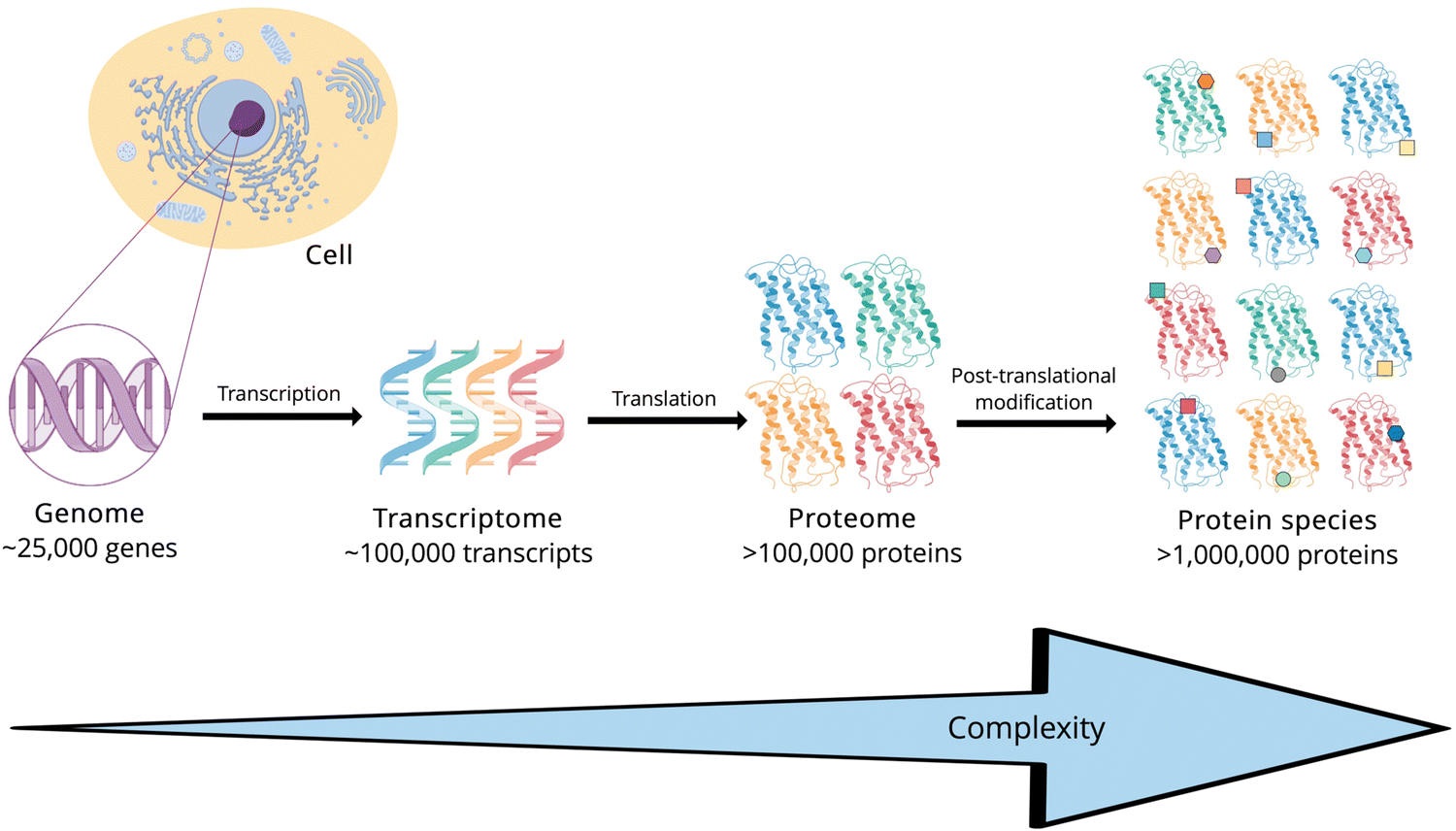
Histone ptms store and convey complex signals about the state of the genome. Among the types of histone modifications are phosphorylation, acetylation, methylation and monoubiquitylation. Histone modifications have also been known as epigenetic markers. Rabinowicz 3, james mccarthy 4. (a) the packaging of cellular dna into chromosomes and nucleosomes allows for several layers of epigenetic regulation. Antibodies against specific proteins or protein modifications are available for use in western blot (wb), immunohistochemistry (ihc), immunocytochemistry (icc), and elisa techniques. For example, many proteins are modified shortly after translation is completed to mediate proper protein folding or stability or to direct the nascent protein to distinct cellular compartments (e.g., nucleus, membrane). Proteins are synthesized by ribosomes translating mrna into polypeptide chains, which may then undergo ptm to form the mature protein product. We now know that there are a large number of different histone. Specific post‐translational histone modifications have been suggested to determine chromatin structure and to create a defined code read by transcriptional regulators (jenuwein and allis, 2001).acetylation of histones appears to crucially determine gene expression patterns, as transcriptionally active chromatin is hyperacetylated, whereas silent chromatin is hypoacetylated. Recent studies have shown that histone ptms can be accurately predicted from the knowledge of transcription factor binding or dnase hypersensitivity data. The modulation of chromatin dynamics by histone ptms and their mechanisms of action have attracted great attention. Primary human neutrophils were isolated from peripheral blood, immediately stimulated with 10 mm hydrogen peroxide for 4 hours, and nets were harvested.